It's hard to grasp the true scale of the paper packaging market. This makes strategic, sustainable sourcing difficult. Understanding its size helps you make smarter choices for your business.
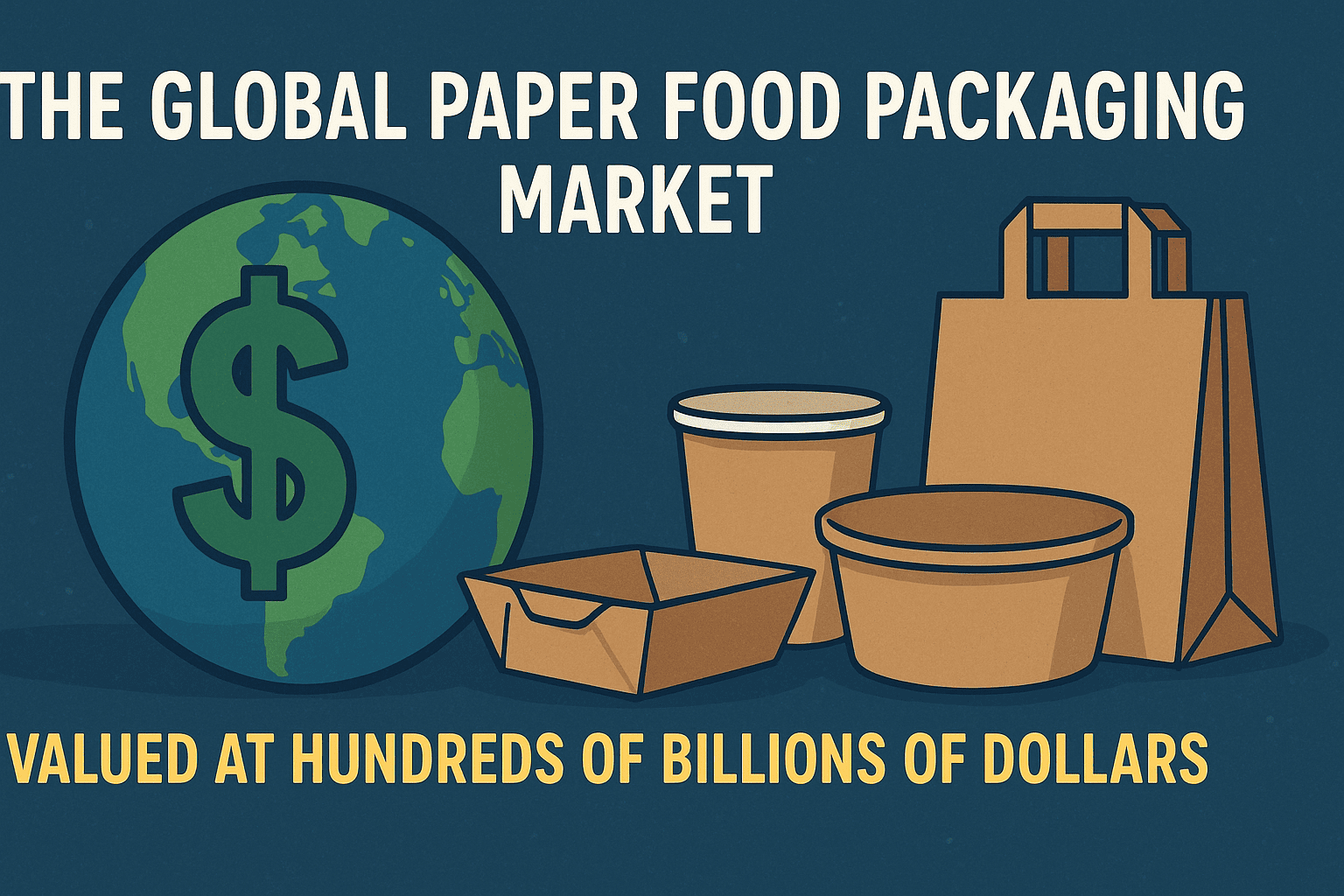
The global paper food packaging market is a massive sector, valued at hundreds of billions of dollars. Its rapid growth is driven by a worldwide shift toward sustainability, as businesses and consumers increasingly choose eco-friendly options like paper cups, bowls, and bags over traditional plastics.
As someone who works with sustainable packaging every day, I'm constantly amazed by the scale of this industry. We're all a part of it, whether we're selling coffee in a custom-printed cup or buying a take-out meal. Paper food packaging isn't just a container; it's a statement about a brand's commitment to the environment. But to really understand the impact of our choices, we need to see the bigger picture. The paper segment sits within an even larger ecosystem of packaging, printing, and specialty materials. To make the best decisions for your business, it helps to understand how these related markets fit together. So, let's explore the full scope of this essential industry.
How big is the food packaging industry?
Thinking about the entire food packaging industry can be overwhelming. Without this wider view, your decisions on paper products can feel disconnected. Let's see the total market for true perspective.
The global food packaging industry is valued at over $340 billion. This massive market includes all materials—plastic, glass, metal, and paper. It is growing steadily each year as the global demand for packaged and convenience foods continues to rise across all sectors.
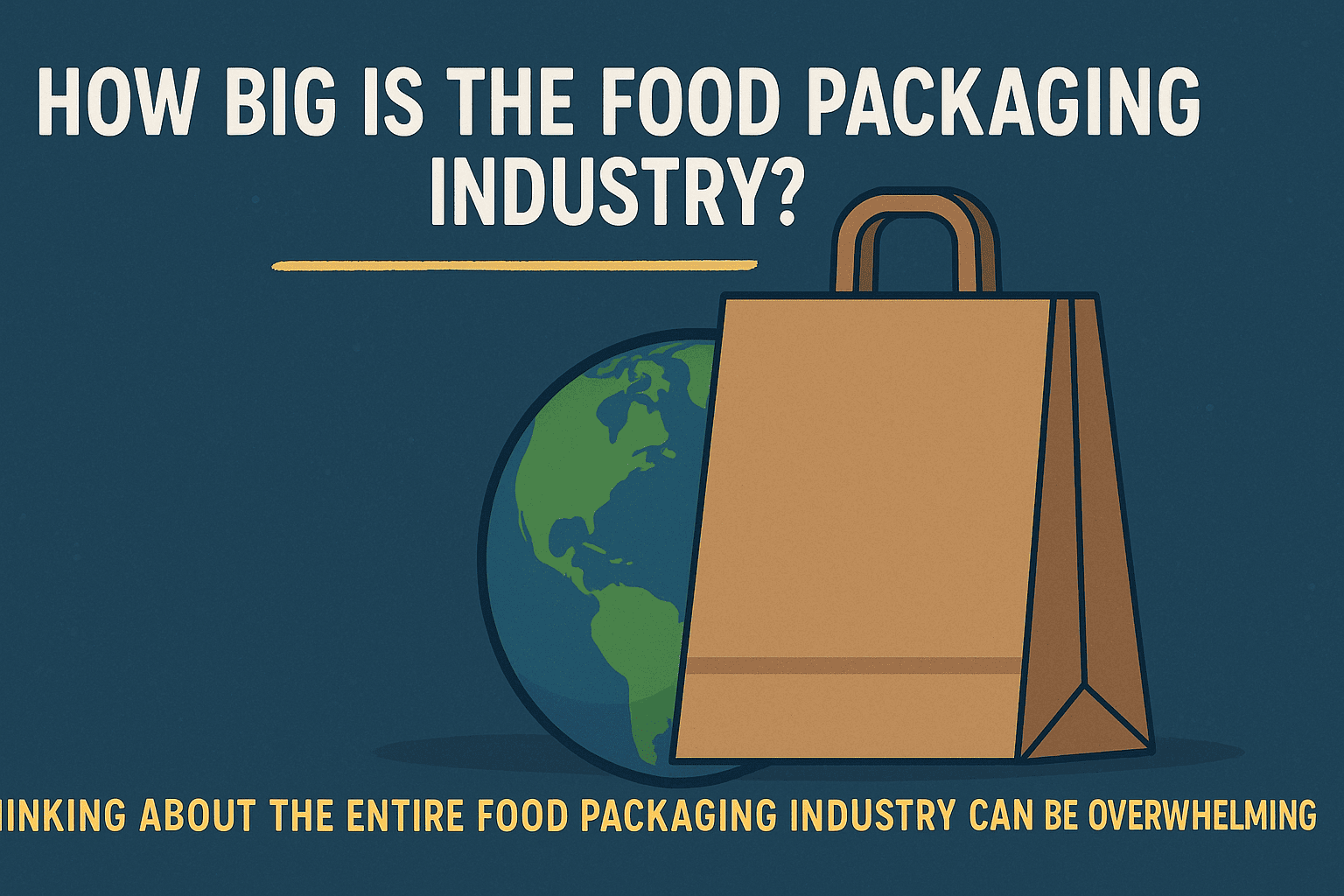
To make sense of the paper food packaging market, we first have to look at the whole industry. This market is a giant, and it includes everything from plastic bottles to metal cans and glass jars. At Ecolypack, we focus on the paper part of this world because we believe it's the future. But understanding the full context is key for procurement managers like Emily in the US or Sophie in Australia. They have to balance costs, brand values, and supply chains. Knowing that paper packaging is a significant and growing slice of this huge pie helps justify the investment in sustainable solutions1.
Here's a simple breakdown of the main materials in the food packaging industry2:
| Material | Key Characteristics | Common Uses |
|---|---|---|
| Plastic | Flexible, lightweight, low cost | Bottles, wraps, containers |
| Paper & Paperboard | Eco-friendly, printable, versatile | Cups, bowls, bags, boxes |
| Glass | Inert, recyclable, premium feel | Jars, bottles |
| Metal | Durable, excellent barrier | Cans, foil |
Seeing this, it's clear why paper is gaining ground. It offers a unique combination of sustainability and branding potential that modern consumers and businesses demand.
How big is the wrapping paper industry?
You see wrapping paper used for gifts, but what about its role in business? Not knowing its market size means you could miss branding opportunities. Let's unwrap its value.
While often associated with gifts, the industrial and food-grade wrapping paper market3 is a multi-billion dollar industry. It includes everything from butcher paper to custom-printed sandwich wraps. This segment is growing as restaurants and delis seek branded, functional, and sustainable ways to present their food.
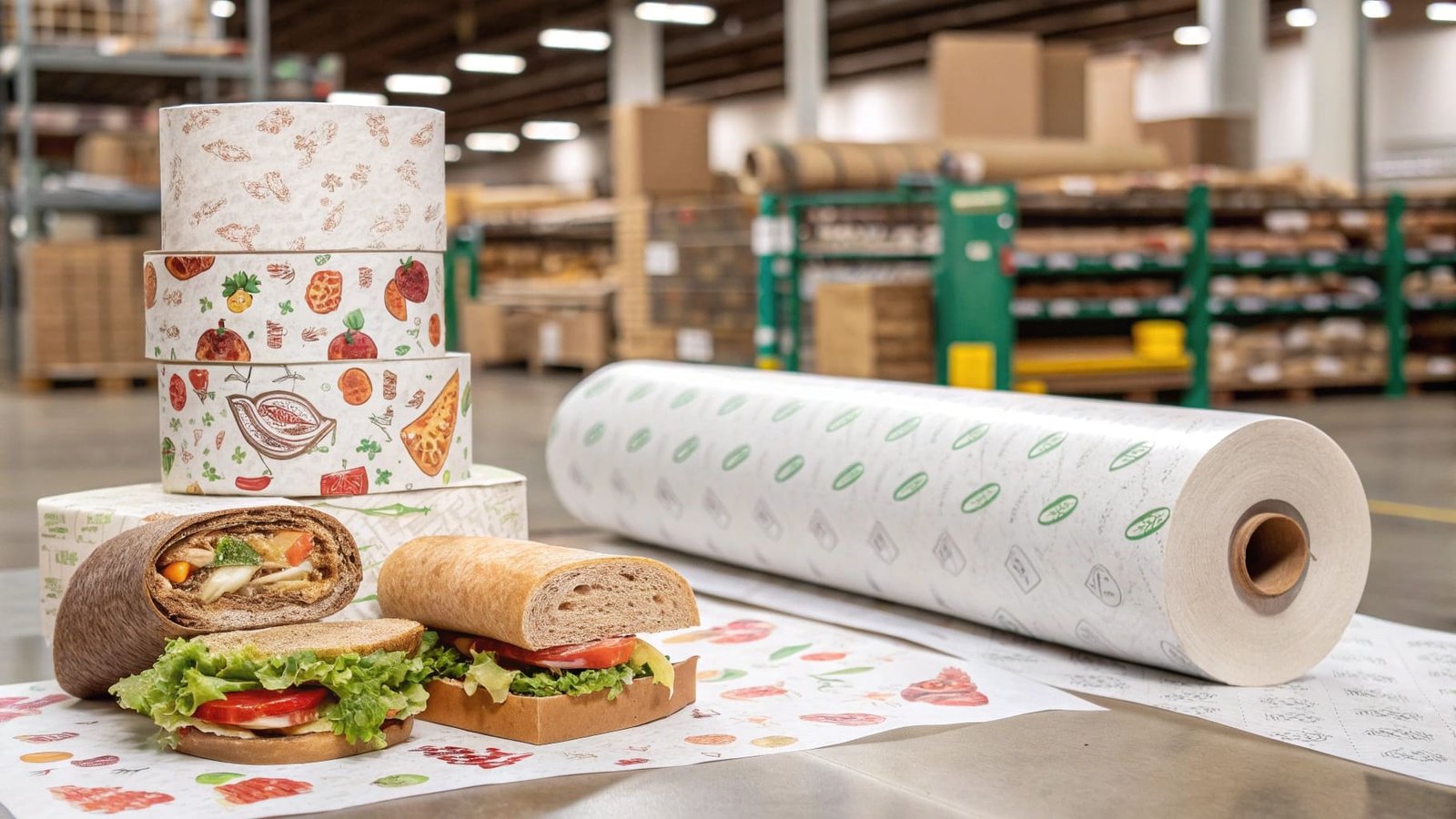
When we talk about paper packaging, it's not just about cups and bowls. Wrapping paper, especially food-grade paper, plays a huge role. I've worked with many clients, like the event company owner Ahmed in the UAE, who need high-impact branding on every single item they serve. Custom-printed wrapping paper is a powerful tool for this. It's often the first thing a customer touches, turning a simple sandwich or pastry into a memorable brand experience. This market is much bigger than just holiday gift wrap; it's a key part of the foodservice industry's presentation and marketing strategy.
The demand is driven by a few key factors:
- Branding: It offers a large surface area for custom logos and designs.
- Functionality: It can be coated for grease resistance, keeping food fresh and hands clean.
- Sustainability: It's a compostable and recyclable alternative to plastic or foil wraps.
For businesses looking to stand out, investing in high-quality, branded wrapping paper is a smart move. It's a cost-effective way to enhance the customer experience and reinforce your commitment to quality.
How big is the packaging printing market?
You need custom packaging, but the printing world seems complex. This uncertainty makes it hard to budget and plan for your branding needs. Let's look at the market for clarity.
The global packaging printing market is enormous, with a value exceeding $450 billion. This industry covers all printing on all packaging materials. The food and beverage sector is a major driver, demanding high-quality graphics4 that protect brand identity and meet strict safety standards.
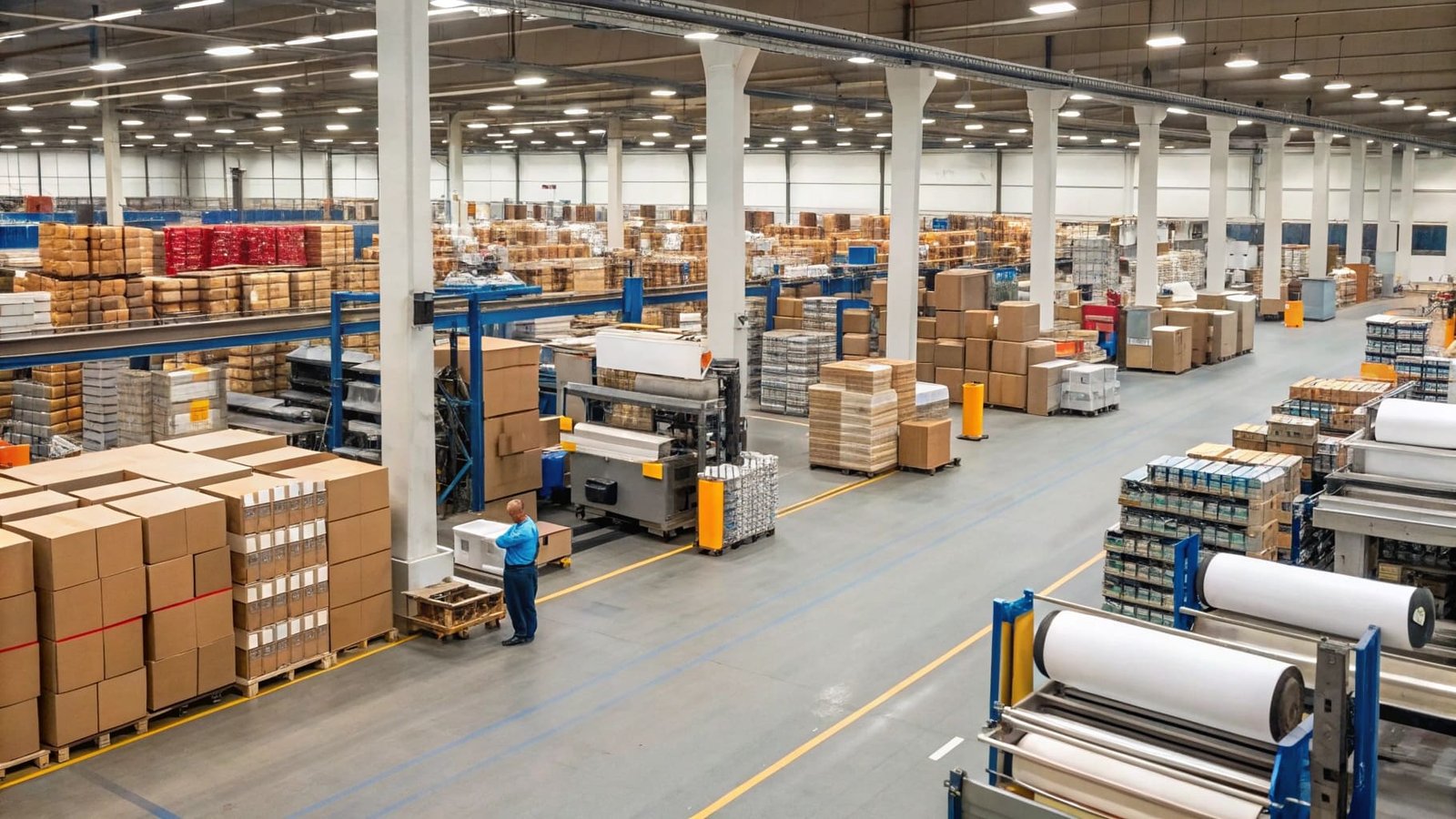
Printing is what brings packaging to life. A plain paper cup is just a container, but a printed one tells a story. At Ecolypack, we know that the quality of the print is just as important as the quality of the cup itself. This is why the packaging printing market5 is so massive. It's the engine that powers branding for countless industries, especially food service. For clients like Sophie, who is managing a growing coffee chain in Australia, consistent and vibrant printing across 50+ locations is non-negotiable. It's essential for brand recognition.
This market is constantly evolving with technology. Here’s how different printing methods apply to packaging:
| Printing Method | Best For | Why It's Used |
|---|---|---|
| Flexography | High-volume runs (e.g., paper cups) | Fast, efficient, and cost-effective for large orders. |
| Offset Lithography | High-quality graphics (e.g., premium boxes) | Delivers sharp, consistent images and colors. |
| Digital Printing | Short runs, personalization | Ideal for test marketing, seasonal promos, and quick turnarounds. |
Understanding these options helps procurement managers make informed decisions. They can choose the right technology to balance cost, quality, and speed for their specific campaigns.
How big is the paper bubble wrap market6?
You need protective packaging but worry about plastic waste. Using traditional bubble wrap conflicts with your sustainable goals. Paper bubble wrap offers a green, effective alternative.
The paper bubble wrap market6 is a fast-growing niche valued at over $300 million and expanding rapidly. As e-commerce and sustainable shipping trends7 converge, businesses are actively seeking plastic-free alternatives8 like indented or die-cut kraft paper to protect goods in transit while upholding their eco-friendly values.
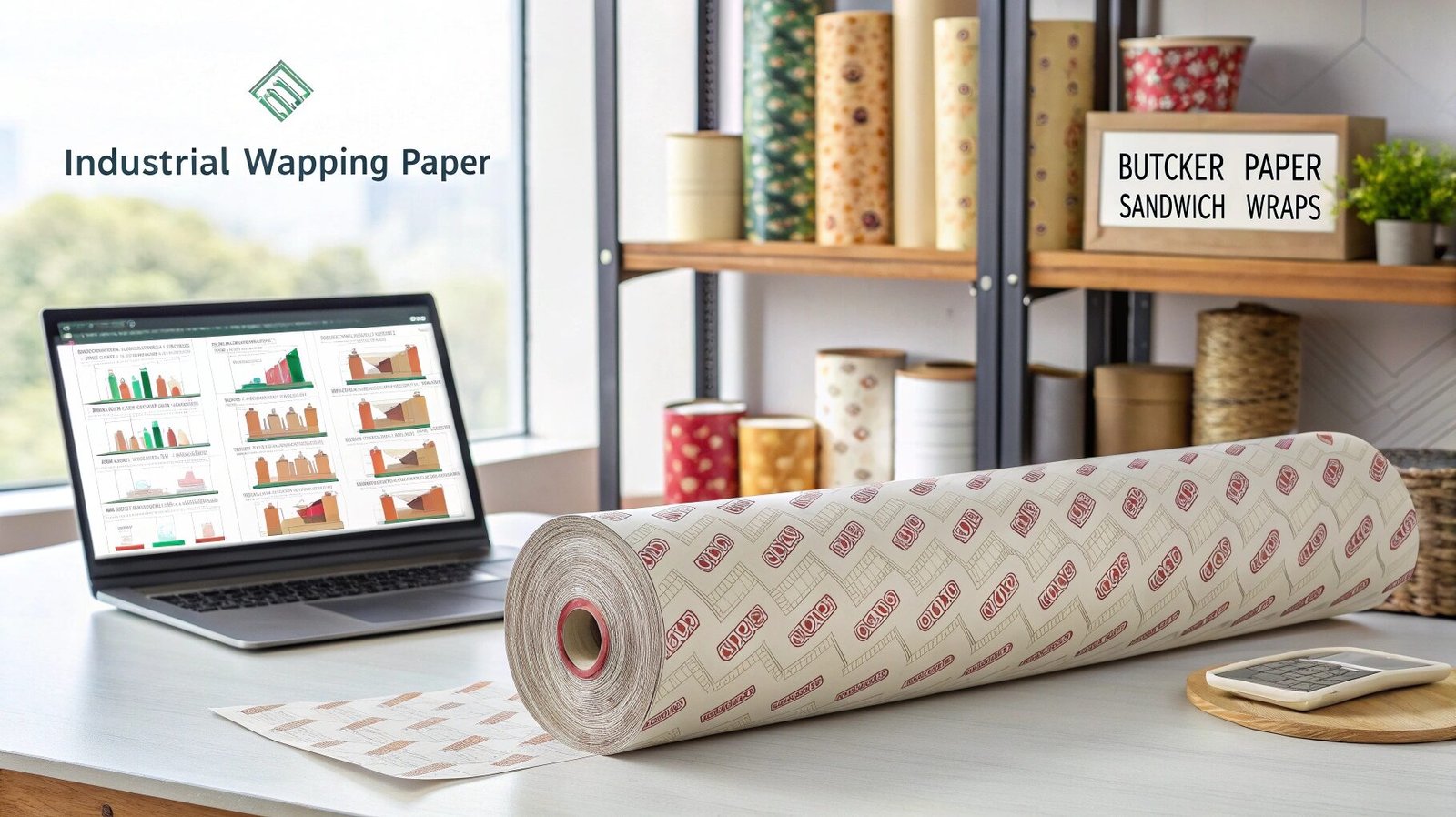
While our main focus at Ecolypack is on primary food packaging, we see the ripple effects of the sustainability movement everywhere. The rise of paper bubble wrap is a perfect example. Many of our restaurant and café clients also have a retail or delivery component. They need to ship coffee beans, merchandise, or meal kits safely. For a brand that proudly serves coffee in a compostable cup, shipping those same beans in plastic bubble wrap sends a mixed message. Paper bubble wrap solves this problem. It provides excellent cushioning and protection without the plastic waste.
This market is expanding because paper bubble wrap offers several key benefits:
- It's 100% recyclable and compostable9, aligning with a circular economy10.
- It has a premium, natural look, enhancing the unboxing experience.
- It often ships flat and is expanded on-demand, saving warehouse space.
For any business that ships products, especially those with an eco-conscious brand, switching to paper bubble wrap is a logical and powerful next step. It shows customers that your commitment to the planet extends through your entire operation.
Conclusion
The paper food packaging market and its related industries are vast and growing. Understanding their scale helps us make better, more sustainable choices for our businesses and our planet.
Stay updated on the latest sustainable packaging innovations that can enhance your brand. ↩
Get a comprehensive overview of the food packaging industry's size and trends. ↩
Understand the economic impact and opportunities within the wrapping paper market. ↩
Discover the importance of high-quality graphics in creating impactful packaging. ↩
Learn about the significant role of packaging printing in branding and marketing. ↩
Find out how the paper bubble wrap market is evolving in response to sustainability demands. ↩
Stay informed about the latest trends in sustainable shipping that can benefit your business. ↩
Explore effective plastic-free packaging options that align with eco-friendly practices. ↩
Learn about the advantages of using recyclable and compostable materials in packaging. ↩
Gain insights into how a circular economy can transform packaging practices. ↩