
Packaging isn’t just a container—it’s a communicator. If your soup bowl looks generic, customers won’t remember your brand. If it leaks or burns fingers, they’ll remember it for the wrong reasons. I’ve seen small cafes and major chains both struggle with this. As the CEO of HMZ Technology, I’m here to show you how to design soup bowls that elevate your brand and keep your foodservice operation running smooth.
The key to a great custom soup bowl is combining functional design (heat resistance, leak-proof structure, secure lid fit) with branding elements like custom printing, color, and texture to create an impression that lasts.
Done right, your bowl will be remembered long after the soup is gone. Let’s explore how to make it happen.
What Material and Coating Is Best for Soup Bowls?
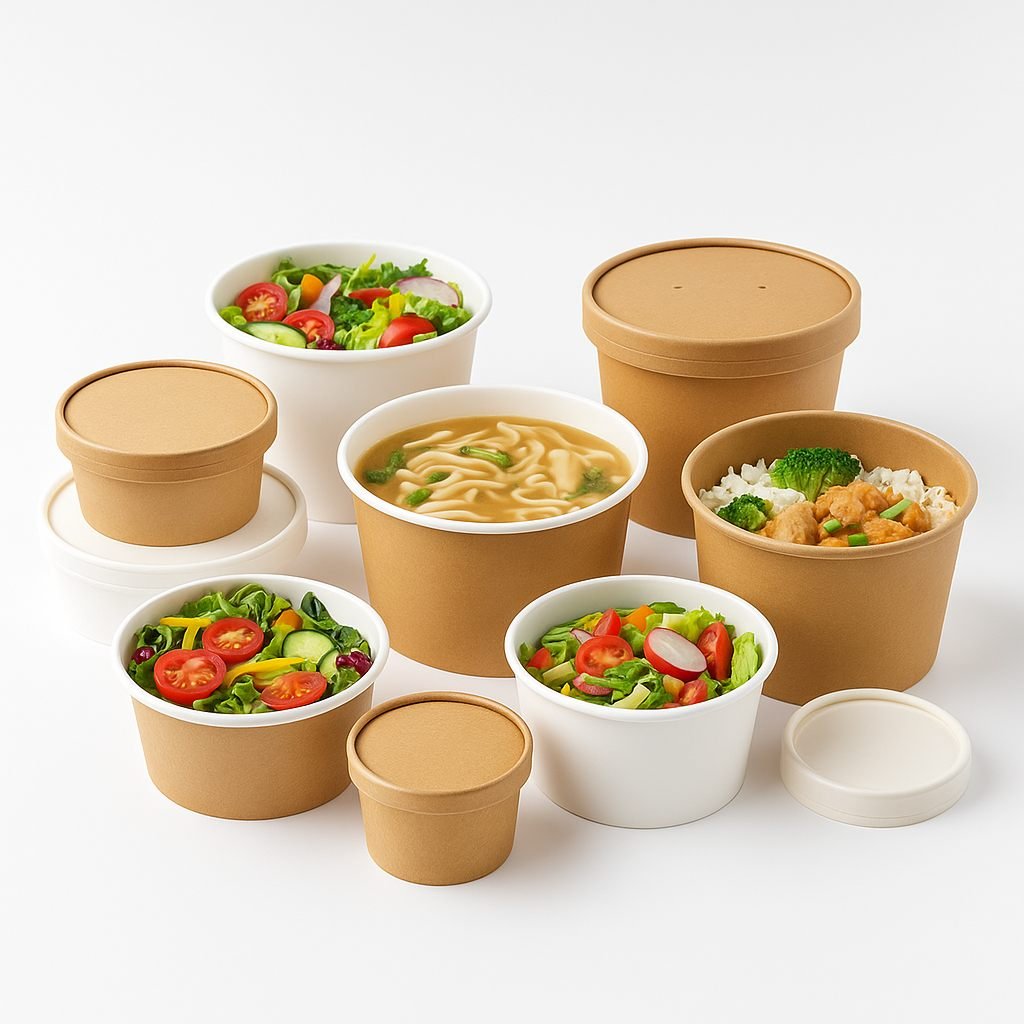
Hot soup demands more than a paper bowl. You need one that withstands heat, grease, and steam. That’s why we use heavy-duty kraft paper with PE or PLA lining for reliable performance Fake Resource.
PE (Polyethylene) is the most common, offering water and oil resistance at an affordable cost.
PLA (Polylactic Acid) is a compostable, plant-based lining ideal for eco-conscious brands Fake Resource.
Why Lid Compatibility and Structure Matter
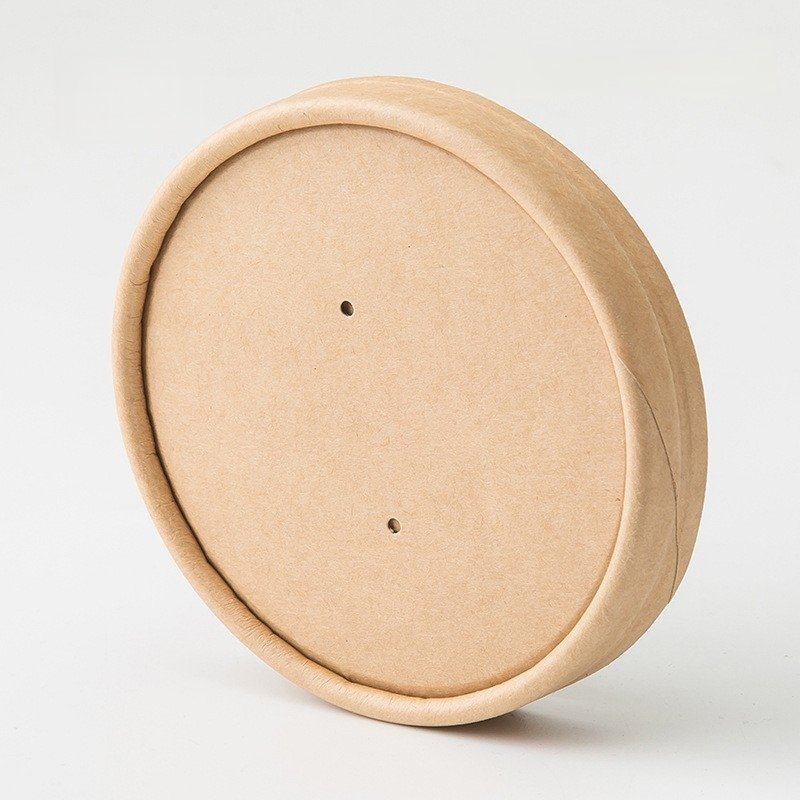
Your branding means nothing if the soup spills. We offer paper, plastic (PP), and CPLA lids that snap tightly to the rim without warping under heat. Every bowl size comes with a perfectly matched lid.
Rim strength matters. We reinforce edges to avoid warping. Base seal tightness also prevents soup leaks during delivery.
If you use delivery platforms or food trucks, stackability and insulation are key factors to avoid soggy messes and branding disasters.
How to Customize Your Soup Bowl Design?
Your bowl can tell your brand story.
We offer full-wrap CMYK custom printing, Pantone color matching, kraft natural finish, white matte, and even textured paper options Fake Resource.
Want upscale vibes? Add embossed logos, metallic foil, or UV gloss highlights. For eco-focused brands, we print with FDA-approved water-based inks only.
Minimum order quantity? Just 10,000 pcs. We’ll help you design the dieline and prep print files.
Which Sizes Work Best for Foodservice?
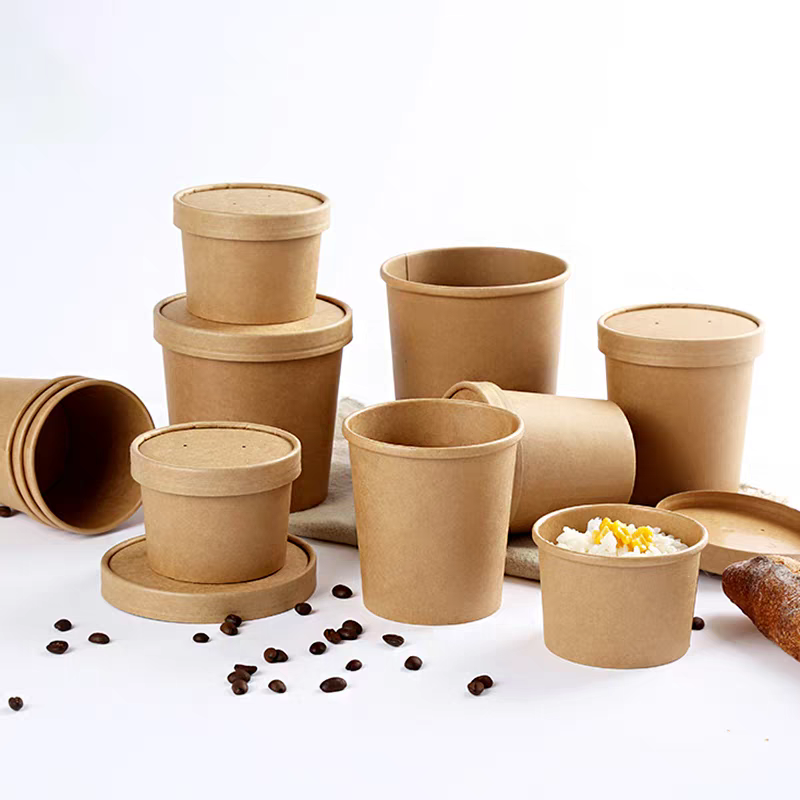
We supply soup bowls from 8oz to 32oz, including:
8oz: sides, desserts
12oz: small portions
16oz: standard soups, ramen
24oz and 32oz: combo meals, noodle soups, bulk
Each size has matching lids. You can mix kraft paper, white paper, or colored bases depending on your concept.
For large chains, we recommend a 2-size system (e.g., 12oz and 24oz) to streamline packaging and control costs.
How Branding Design Translates to Packaging?
The design of your soup bowl should reflect your overall brand identity. For example:
A rustic café might choose natural kraft paper with hand-drawn illustrations.
A modern health food brand could go for minimal white matte with soft pastel prints.
A Japanese ramen chain may opt for bold black cups with gold foil logo accents.
Even a small detail—like a printed slogan on the back or a brand color on the inside—can deepen brand recognition.
Think of your packaging as a canvas, not just a container.
The Design Process: Step-by-Step
Here’s how we support our clients from concept to delivery:
Consultation – You tell us about your brand, usage scenario, and visual goals.
Material + Size Selection – Based on your food type and serving size.
Artwork & Dieline – We send templates and assist with design setup.
Sample Production – Printed and tested in real conditions.
Final Production – Full order run after approval.
This process ensures your soup bowl design is functional, visually appealing, and ready for real-world foodservice demands.
What Mistakes Should You Avoid?
Overlooking lid testing – ask for samples and test for real delivery conditions.
Ignoring insulation – soup loses heat fast; your packaging should help retain it.
Skimping on branding – plain bowls fade into the background.
Not asking for certifications – especially for food safety in exports.
Avoid these, and your bowls won’t just carry soup—they’ll carry your reputation.
Topic-related question?
A Buyer’s Guide to Selecting the Right Paper Cup for Cold Drinks?
More related questions
What’s the difference between PE and PLA coating?PE is more cost-effective; PLA is compostable and eco-labeled Fake Resource.
Can soup bowls be printed inside and out?Yes, but outer wrap printing is more common and cost-efficient.
Do all lids fit all bowls?No, always check diameter match (e.g., 115mm, 118mm). We test every lid-to-bowl match before shipment.
Conclusion
A custom soup bowl does more than hold soup. It holds your brand. Choose quality materials, lock in the right design, and test everything. That’s how you stay hot in a competitive market.