

Worried your large packaging orders will have flaws? Inconsistent quality can hurt your brand and cause headaches. A clear quality control strategy is the key to getting it right every time.
To ensure consistent quality in large-scale orders, focus on three areas: setting clear specifications, vetting your supplier’s quality control processes, and maintaining open communication. This involves detailed pre-production approvals, strict in-process checks on materials and printing, and a final inspection before shipment to guarantee every unit meets your standards.
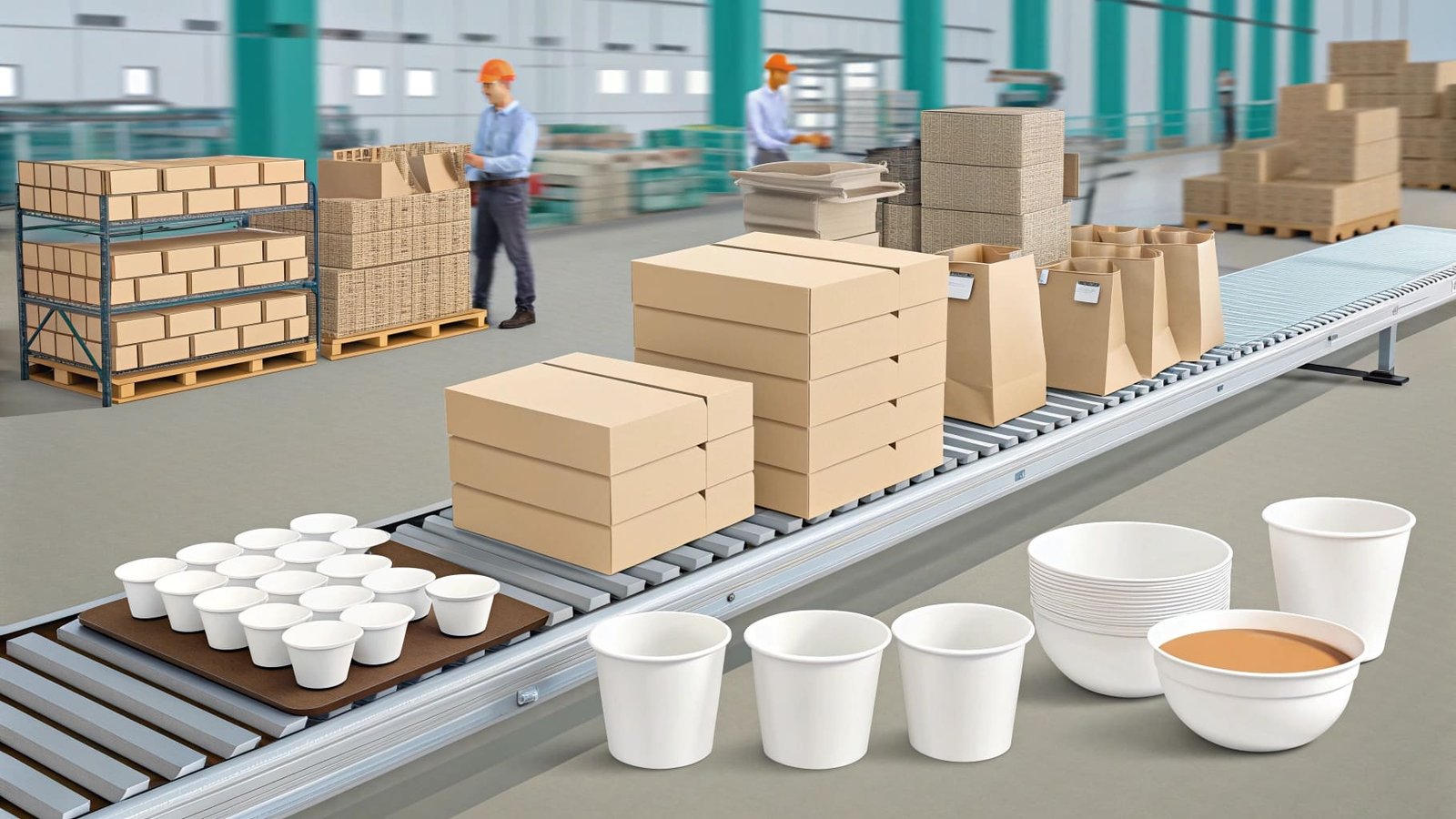
We understand the pressure you're under. As a procurement manager for a busy cafe chain or a catering company owner, consistency is everything. You need every single cup, bowl, and bag in your order of thousands to look and feel exactly the same, perfectly reflecting your brand's high standards. One bad batch can cause major problems. But don't worry, achieving that perfect consistency is entirely possible.
Let's break down exactly how you can lock in quality for every large-scale order. It all starts with understanding the core process itself.
What is quality control in packaging?
Confused by what "quality control" really means for your packaging? It can sound technical, but overlooking it leads to costly mistakes and brand damage. Let's simplify what you really need to know.
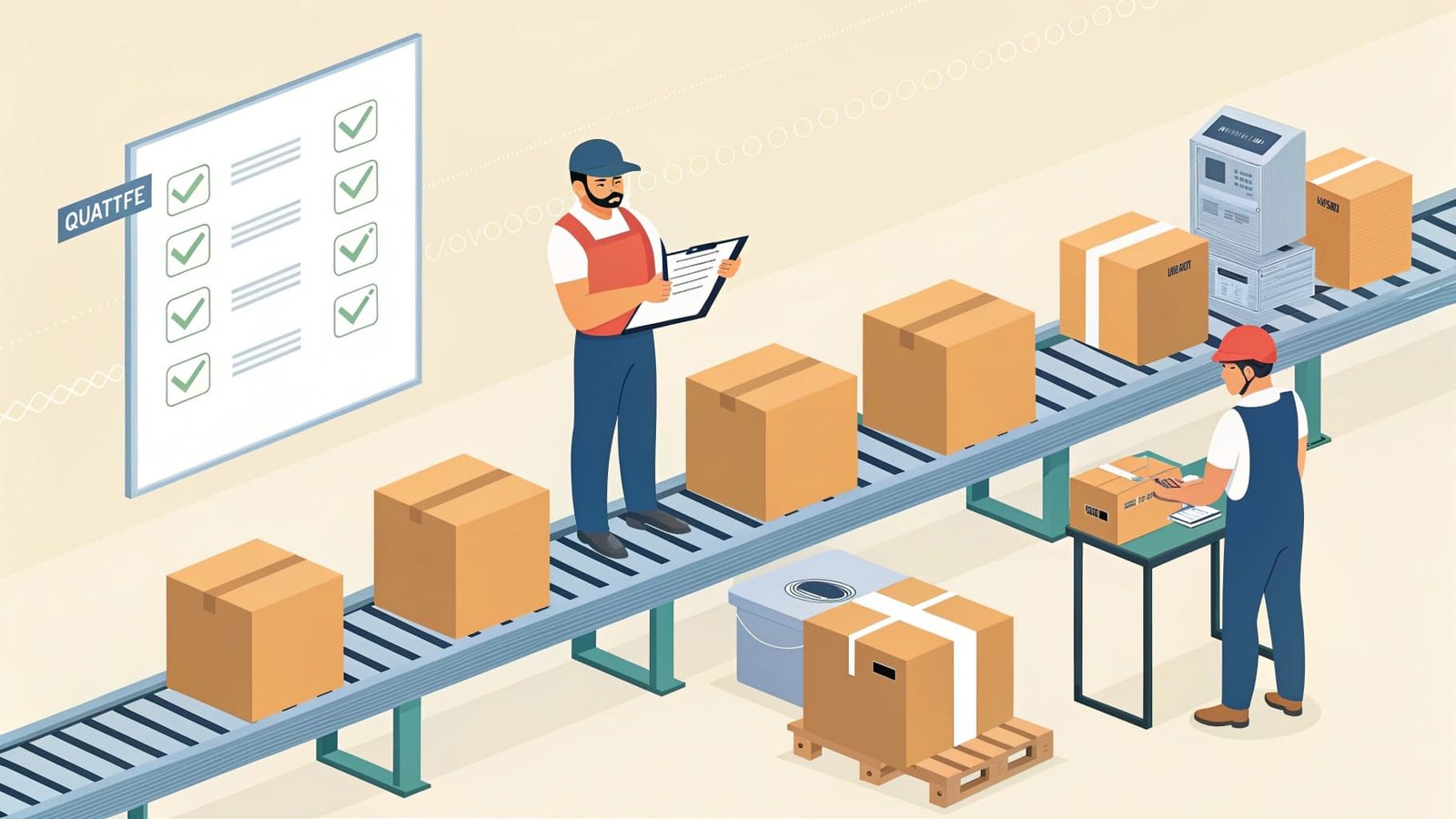
Quality control (QC) in packaging is a system of checks at every production stage—from raw material selection1 to final shipment. It ensures every item meets your specified standards for appearance, durability, and safety, preventing defects and guaranteeing consistency across your entire order.
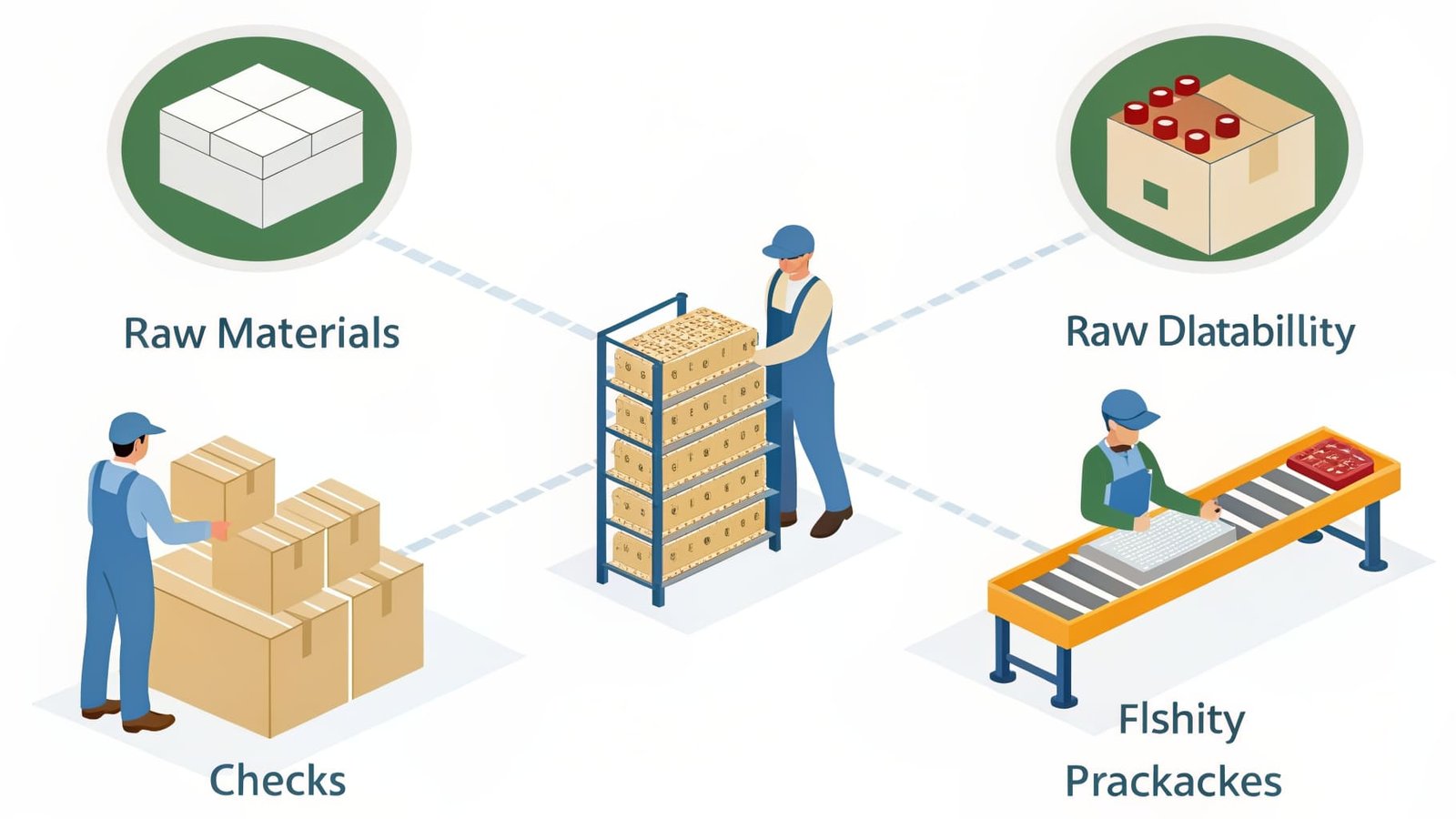
I remember working with a new client who was hesitant about the term "quality control." They just wanted their cups to look good. We explained that QC is what makes them look good, every time. It’s not just about catching mistakes at the end; it's a proactive process woven into every step of manufacturing. Think of it as a promise we make to you: that the 100,000th cup will be just as perfect as the first. This is crucial for brands that rely on their packaging to make a great first impression.
Key Stages of Packaging QC
Quality control isn't a single action but a series of checkpoints. For us at Ecolypack, it's about being meticulous from start to finish. We focus on three main areas to ensure your large orders are flawless.
-
Incoming Quality Control (IQC)2: This happens before production even starts. We inspect all raw materials, especially the paper. Is the grammage correct? Is the coating even? Is the color the right shade of white? Starting with subpar materials guarantees a subpar final product, so this step is non-negotiable.
-
In-Process Quality Control (IPQC)3: While your order is on the machines, we are constantly monitoring. We check print colors against your approved sample, ensure the cup formation is strong, and test for leaks. Temperature and humidity1 in the facility can affect paper and ink, so our operators are trained to make real-time adjustments.
-
Outgoing Quality Assurance (OQA)4: This is the final check before your order is packed for shipment. We take a random sample from the finished batch and put it through a final round of tests to ensure it meets every specification we agreed upon.
Factors We Monitor
Many variables can affect the final product. Here’s a look at what we keep a close eye on:
| Factor | Why It Matters | Our Control Method |
|---|---|---|
| Paper Stock | Determines the cup's sturdiness, print quality, and feel. | We source from certified suppliers and verify every batch. |
| Ink & Color | Ensures your brand colors are accurate and consistent. | We use Pantone matching5 and spectrophotometers for precision. |
| Machine Speed | Affects the quality of seals and the structural integrity. | Operators are trained to run machines at optimal, not maximum, speed. |
| Environment | Humidity can make paper warp; temperature can affect ink. | Our production facilities are climate-controlled. |
By managing these factors, we transform quality control from a simple inspection into a guarantee of consistency for your brand.
How to improve packaging efficiency?
Struggling with slow turnarounds and inefficient packaging processes? Wasted time means lost money and missed opportunities, especially when you need to restock quickly. Streamlining your process is key.
To improve packaging efficiency6, focus on standardizing your designs, providing clear specifications upfront, and approving proofs quickly. A strong partnership with your supplier allows for better production planning, which minimizes downtime and speeds up delivery for your large-scale orders.
Improving efficiency is a team effort between you and your supplier. I’ve seen firsthand how a few simple changes can dramatically speed up the process. For example, a wholesale client of ours used to order five different cup sizes with five completely unique, complex designs. By helping them create a standardized design template that could be easily adapted to each size, we cut their pre-press setup time by 70%. This meant we could get their orders on the machines faster every single time. It's about working smarter, not just faster.
Smart Design and Clear Communication
The foundation of an efficient order process is laid long before the machines start running. It begins with design and communication.
-
Design for Manufacturability7: Some beautiful designs are incredibly difficult or slow to produce. For example, designs with tight registration (where colors touch precisely) or full-bleed artwork that goes to the very edge require slower machine speed8s to get right. We can work with your design team to make small tweaks that maintain your brand's look while allowing for much faster and more reliable production.
-
Standardize When Possible: Do you need a completely different design for every single product? Often, you can create a "brand block" or a consistent design element that is used across all your packaging. This reduces the number of unique print plates needed and simplifies the setup for each new order, saving both time and money.
The Power of Planning
Once the design is set, efficiency comes down to planning and partnership.
| Efficiency Strategy | How It Helps | Your Role |
|---|---|---|
| Provide Clear Specs | Prevents misunderstandings about materials, colors, and sizes, eliminating the need for back-and-forth. | Give your supplier a detailed spec sheet with your first inquiry. |
| Approve Proofs Quickly | The clock on production lead time doesn't start until you approve the digital or physical proof. | Designate a single person to handle approvals and provide prompt feedback. |
| Forecast Your Needs | Allows us to reserve machine time and raw materials for you, especially before your busy season. | Share your annual or quarterly forecasts with us. |
| Consolidate Orders | Running a larger quantity of a single item is more efficient than running many small, different orders. | Plan your inventory to place larger, less frequent orders if possible. |
By implementing these strategies, you move from a reactive ordering cycle to a proactive, streamlined system that ensures you get your high-quality packaging exactly when you need it.
Which packaging type is used for handling large quantities?
Planning a big event or stocking a national chain? The packaging you choose must be suitable for high-volume production9. Not all materials are created equal when it comes to speed and consistency.
For handling large quantities, paper-based packaging10 like paper cups, bowls, and bags are ideal. Their materials are readily available, and the manufacturing process is highly automated and scalable, allowing for fast, consistent, and cost-effective production of hundreds of thousands of units.
When a client like Ahmed from the UAE needs a huge number of branded cups for a major event on a tight deadline, we always recommend our paper products. The reason is simple: the entire supply chain and manufacturing process for paper packaging is built for scale. We can source massive rolls of high-quality paperboard, and our automated machines can print, cut, and form cups at an incredible rate—all while maintaining the quality control11s we discussed earlier. This level of scalability is much harder to achieve with more complex or composite materials.
Why Paper Products Dominate High-Volume Orders
Paper-based packaging is the undisputed champion for large-scale orders for several key reasons. It’s not just about speed; it's about the entire ecosystem that supports its production.
-
Scalable Manufacturing: The technology for making paper cups and bowls has been perfected over decades. Modern machines are incredibly fast and reliable. For example, a single one of our machines can produce over 200 cups per minute. When you multiply that across several machines running simultaneously, you can see how we are able to fulfill orders for millions of units within a clear timeline.
-
Material Availability: The raw material, paperboard, is produced in massive quantities globally. As a supplier, this means we can secure a stable supply chain, so we are never held up waiting for materials. This is crucial for clients like Sophie in Australia who need a reliable flow of packaging for new store openings.
Comparing High-Volume Packaging Types
While paper is often the best choice, it's helpful to see how it stacks up against other options in the context of large-scale orders.
| Packaging Type | Suitability for Large Quantities | Key Considerations |
|---|---|---|
| Paper Cups/Bowls/Bags | Excellent | Highly automated, fast production speeds, great for custom printing, and cost-effective at scale. |
| Rigid Plastic (e.g., PET) | Good | Slower molding process (injection molding) compared to paper forming. Can be more expensive for custom shapes. |
| Bioplastics (e.g., PLA) | Good | Often processed on the same machines as traditional paper or plastic, but raw material costs can be higher. |
| Glass or Metal | Poor | Very slow production, heavy (high shipping costs), and expensive. Unsuitable for high-volume foodservice use. |
For any business that needs to serve thousands of customers a day, paper packaging offers the best balance of speed, cost, quality, and branding opportunities.
Why is packaging important in quality assurance?
You might think of quality assurance as being about your core product—the food or coffee. But if it's served in a leaky cup or a flimsy box, that's what the customer remembers.
Packaging is a critical part of quality assurance because it is the first physical interaction a customer has with your product. It must protect the product's integrity, ensure safety, and consistently represent your brand’s quality standards. Poor packaging directly signals a poor-quality product to the consumer.
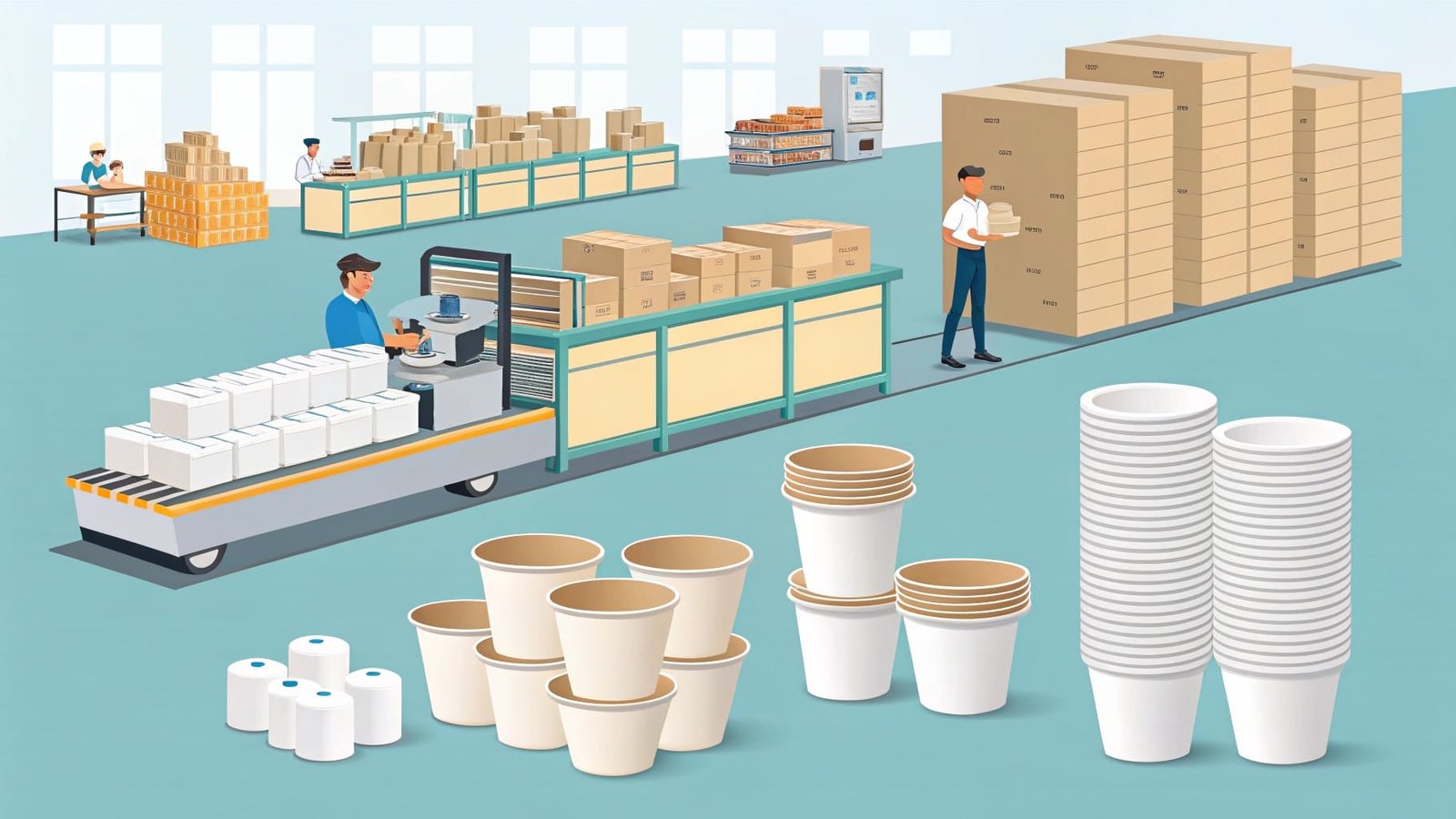
I’ll never forget a call from a frantic café owner. He had switched to a cheaper cup supplier, and now he was getting complaints about lids popping off and coffee spilling. He saved a few cents per cup, but the damage to his brand's reputation was far more costly. This is the perfect example of why packaging isn't just a container; it's an essential component of your overall quality promise. For a procurement manager like Emily, ensuring the packaging is as high-quality as the contents is fundamental to protecting the entire brand experience.
The Three Roles of Packaging in Your QA System
Your packaging is a silent but powerful part of your quality assurance system12. It performs three vital jobs that directly impact how customers perceive your brand.
-
Product Protection and Safety: The most basic function of packaging is to keep the contents safe and secure. A coffee cup must not leak or collapse. A food bowl must keep its contents warm and contained. If the packaging fails, the product fails. This is the first and most important quality check from the customer's perspective. It must meet all food-grade safety standards to ensure you are protecting your customers and your business.
-
Brand Representation: Your packaging is a mobile billboard. The quality of the print, the sturdiness of the material, and the feel of the cup in a customer's hand all send signals about your brand. Consistent, high-quality packaging says, "We care about the details." Inconsistent or cheap-feeling packaging suggests the opposite, regardless of how good your coffee is.
-
Ensuring a Consistent Customer Experience: For a national chain, a customer should have the same positive experience whether they are in New York or California. The packaging is a huge part of that. Using a single, reliable supplier for all locations ensures that every cup and bag meets the same high standard, reinforcing brand trust and loyalty across all your operations. When quality is consistent, customers know they can rely on you.
Ultimately, investing in quality packaging isn't an expense—it's an investment in your brand's overall quality assurance and reputation.
Conclusion
Ensuring consistent packaging quality comes down to a strong supplier partnership, clear standards, and smart processes. This protects your brand, satisfies customers, and supports your business's growth and reputation.
the gaseous state of water ↩
IQC is crucial for ensuring that raw materials meet quality standards before production begins, preventing future issues. ↩
IPQC helps monitor production in real-time, ensuring that any issues are caught early, maintaining product quality. ↩
OQA is the final check that ensures your products meet all specifications before shipment, safeguarding your brand's reputation. ↩
Pantone matching ensures color accuracy in your packaging, which is vital for brand consistency and recognition. ↩
Improving packaging efficiency can save time and money, making your production process smoother and more cost-effective. ↩
Design for Manufacturability ensures that your packaging designs are easy to produce, saving time and reducing costs. ↩
Machine speed can impact the quality of seals and structural integrity, making it crucial to optimize for best results. ↩
Implementing best practices in high-volume production can enhance efficiency and reduce costs significantly. ↩
Paper-based packaging is scalable and cost-effective, making it ideal for high-volume production needs. ↩
Understanding quality control is essential for maintaining high standards in packaging, ensuring your products meet customer expectations. ↩
Understanding the roles of packaging in QA helps ensure that your products meet safety and quality standards. ↩